

Is Laser Eye Surgery Worth It? An Honest Look at Cost, Results, and Risks
An honest, balanced assessment of whether laser eye surgery is worth the investment — covering real-world results, costs, risks, and who benefits most from treatment.
Is laser eye surgery worth it? It is one of the most searched questions in ophthalmology — and it deserves an honest, balanced answer rather than a sales pitch. As a consultant ophthalmic surgeon, Miss Tina Khanam believes you should make this decision with complete information: the genuine benefits, the real costs, the actual risks, and a clear understanding of whether you are likely to achieve the outcome you want.
The success rates are genuinely impressive. Published data from the Royal College of Ophthalmologists and large-scale international studies consistently show that over 98% of LASIK and SMILE patients achieve 20/20 vision or better without glasses. Patient satisfaction rates exceed 95% across all major peer-reviewed studies — making laser eye surgery one of the most consistently well-regarded elective procedures in medicine.
The financial case is straightforward. Laser eye surgery at K Vision Centre starts from £2,999 per eye (£5,500 for both eyes). The average UK contact lens wearer spends approximately £400–600 per year on lenses, solutions, and check-ups, and £200–400 every two to three years on glasses. Over a 20-year period, the cumulative cost of glasses and contact lenses typically reaches £10,000–15,000. On those figures laser eye surgery becomes cost-neutral somewhere between the seventh and eleventh year, and cost-saving for every year thereafter.
Beyond the financial calculation, the lifestyle value is harder to quantify but consistently rated as transformative by patients. No more morning lens insertion routine. No more fogged glasses in winter. No more panic about lost or broken glasses on holiday. Swimming, sport, and spontaneous activities without optical compromise. Waking up and simply being able to see. These daily freedoms compound into a fundamentally different quality of life.
Now for the honest risk assessment. No surgery is risk-free, and laser eye surgery is no exception. The most common side effects are temporary dry eye (affecting approximately 20–30% of patients for the first few months) and mild night-time halos or glare around lights (which typically resolve within weeks to months). Serious complications such as infection, significant under-correction or over-correction, or ectasia (progressive corneal thinning) are rare — occurring in fewer than 0.5% of cases when surgery is performed by an experienced surgeon on appropriately screened patients.
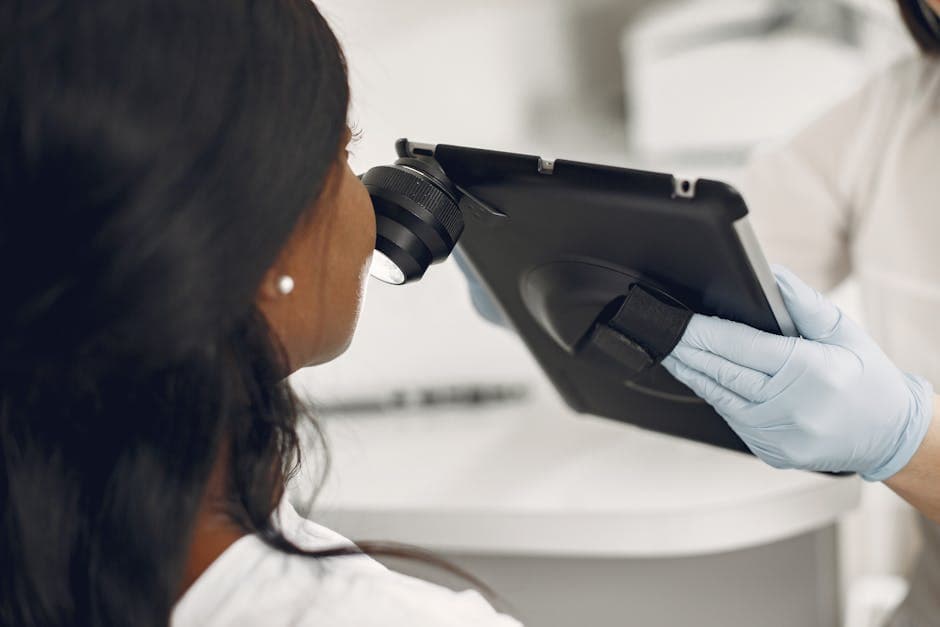
The critical factor is patient selection. Not everyone is suitable for laser eye surgery, and a responsible surgeon will decline to operate when the risk-benefit ratio is unfavourable. Factors that may affect suitability include corneal thickness, prescription stability, pupil size, tear film quality, and age. At your consultation, Miss Khanam performs over 20 diagnostic measurements to determine not just whether you are suitable, but which procedure — LASIK, SMILE, PRK, or Presbyond — offers the best outcome for your specific eyes.
Who benefits most from laser eye surgery? Patients who report the highest satisfaction are typically those with moderate myopia (-1.00 to -8.00 dioptres), stable prescriptions, healthy corneas, and a clear motivation for spectacle independence. Contact lens wearers who experience end-of-day dryness or recurrent irritation often find the improvement particularly dramatic. Patients in active careers or with sporting lifestyles consistently describe laser eye surgery as one of the best investments they have made.
Who should think twice? If you are over 45 and already experiencing presbyopia (difficulty with near vision), standard laser eye surgery will correct your distance vision but will not prevent the need for reading glasses. Presbyond laser blended vision or lens replacement surgery may be more appropriate. If you have a very high prescription (beyond -10.00 dioptres), ICL surgery may offer better quality of vision than corneal laser treatment.
The bottom line: for the right candidate, laser eye surgery offers a life-changing improvement in vision, convenience, and confidence at a cost that pays for itself within a few years. The key is ensuring you are the right candidate — and that starts with a thorough, honest consultation.
Book a suitability assessment with Miss Tina Khanam at K Vision Centre. Consultations are available at Harley Street, Spire Gatwick Park, and Spire St Anthony's, and your consultation fee is fully redeemable against treatment. If you are not suitable, you will be told clearly and without charge for the assessment.
Written by
Miss Tina Khanam
Consultant Ophthalmic Surgeon at K Vision Centre
Learn more about Miss Tina KhanamHave Questions About This Topic?
Book a consultation with Miss Tina Khanam to discuss your concerns and explore your options.
Speak With Miss KhanamRelated Articles
Continue exploring our expert insights on eye health

The Emotional Toll of Living with Presbyopia (needing reading glasses)
Presbyopia can turn daily life into a constant struggle with reading glasses. Explore the frustrations and learn about alternatives for visual freedom.
Harley Street Cataract Consultation: What to Expect
If you’re coming to Harley Street for a cataract assessment, this guide explains every step with empathy and clarity. Learn about the tests we perform, lens choices, risks, and how we plan your care at K Vision Centre.

Laser Eye Surgery vs Lens Replacement: Find Your Best Option
Wondering whether laser eye surgery or lens replacement is right for you? This empathetic guide explains who each option suits, benefits and risks, and how our consultant-led assessment helps you decide.