
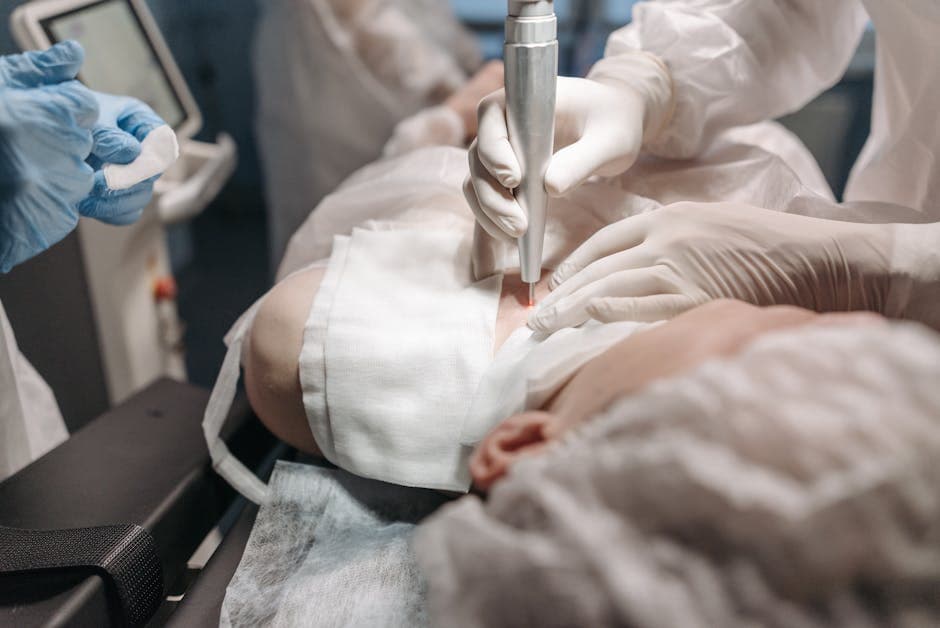
Is LASIK Safe? The Evidence Behind Laser Eye Surgery Safety
Examining 30 years of clinical evidence on LASIK safety — complication rates, long-term outcomes, and what makes modern LASIK one of the most studied elective procedures in medicine.
LASIK eye surgery has been performed worldwide for over 30 years, with more than 40 million procedures completed globally. It is one of the most extensively studied elective surgical procedures in the history of medicine, and the cumulative evidence overwhelmingly supports its safety and efficacy when performed on appropriately selected patients by experienced surgeons.
A landmark systematic review published in the Journal of Cataract and Refractive Surgery in 2016, analysing data from 97 peer-reviewed studies involving over 67,000 eyes, concluded that modern LASIK achieves 20/20 vision or better in over 99% of cases, with patient satisfaction rates consistently exceeding 96% — the highest satisfaction rate of any elective procedure studied.
The most commonly discussed risk of LASIK is dry eye, which occurs to some degree in the majority of patients during the first few weeks after surgery as corneal nerves regenerate. For most patients, this is mild and temporary, resolving within one to three months with the use of lubricating eye drops. Persistent dry eye beyond six months occurs in approximately 1-3% of patients and is typically manageable with ongoing treatment.
Serious sight-threatening complications from LASIK are exceptionally rare. Corneal ectasia — a progressive weakening of the cornea — occurs in fewer than 0.04% of cases (approximately 1 in 2,500) and is almost entirely preventable through rigorous pre-operative screening. At K Vision Centre, Miss Khanam uses Pentacam corneal tomography and biomechanical analysis to identify at-risk corneas and will decline to perform LASIK where the safety margin is insufficient.
Infection after LASIK is extremely rare, with reported rates of approximately 0.02% (1 in 5,000). This is significantly lower than the annual infection risk associated with contact lens wear, which is estimated at 0.1-0.2% per year for daily disposable lenses and higher for extended-wear lenses. Over a decade of contact lens use, the cumulative infection risk substantially exceeds the one-time risk of LASIK.
The question of long-term stability is often raised. Longitudinal studies following LASIK patients for 10 to 20 years have demonstrated that the vast majority maintain stable vision throughout this period. Some patients — particularly those treated for higher prescriptions — may experience a gradual mild regression (typically 0.25 to 0.50 dioptres over a decade), which can be corrected with a straightforward enhancement procedure if desired.
What about the feared "LASIK flap complications"? With modern femtosecond laser flap creation (replacing the older mechanical microkeratome blade), flap-related complications have become vanishingly rare. The femtosecond laser creates a precisely uniform flap with smooth edges, significantly reducing the risk of irregular flaps, buttonholes, or incomplete cuts that were occasional concerns with earlier technology.
The safety of any surgical procedure ultimately depends on two factors: appropriate patient selection and surgeon expertise. The vast majority of LASIK complications reported in the literature occurred in patients who were borderline candidates or who were treated by surgeons with limited experience. Miss Tina Khanam declines approximately 15-20% of consultation patients for LASIK, recommending alternative procedures or no treatment where LASIK would not be in the patient's best interest.
If you are considering LASIK and want a thorough, honest assessment of whether it is safe and appropriate for your eyes, book a consultation at K Vision Centre. Miss Khanam will never recommend a procedure unless she is confident it can be performed safely with a high probability of an excellent outcome.
Written by
Miss Tina Khanam
Consultant Ophthalmic Surgeon at K Vision Centre
Learn more about Miss Tina KhanamHave Questions About This Topic?
Book a consultation with Miss Tina Khanam to discuss your concerns and explore your options.
Speak With Miss KhanamRelated Articles
Continue exploring our expert insights on eye health

Overcoming Fears of Vision Correction Surgery
Learn about common fears related to vision correction surgery and how modern techniques ensure a safe and comfortable experience.

Laser Eye Surgery: A Game Changer for Contact Lens Wearers
For contact lens users, laser eye surgery offers lasting freedom and reduced risks. Learn about its transformative lifestyle benefits.
Laser Eye Surgery Kingston & London: Post‑Op Benefits
Considering laser eye surgery in Kingston or London? Learn the real post‑operative benefits—clearer vision, everyday convenience, and life without glasses or contacts—guided by our consultant-led team at K Vision Centre.