
LASIK vs PRK: Which Laser Eye Surgery Is Right for You?
Comparing LASIK and PRK laser eye surgery to help you understand the key differences in procedure, recovery, and long-term outcomes.
Choosing between LASIK and PRK is one of the most common decisions patients face when considering laser eye surgery. Both procedures use excimer laser technology to reshape the cornea and correct refractive errors such as myopia, hyperopia, and astigmatism — yet they differ in technique, recovery profile, and suitability for certain eye types.
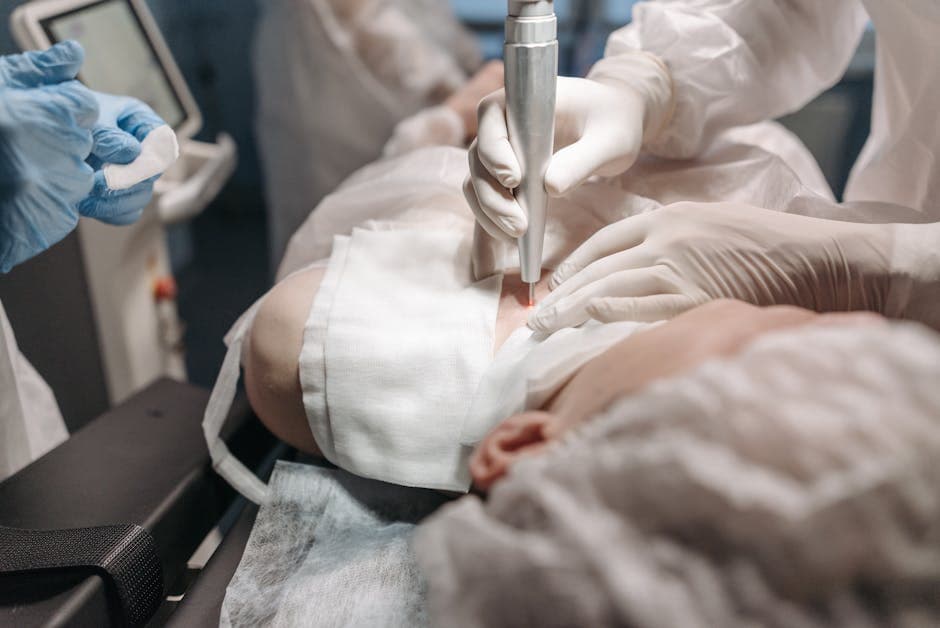
LASIK (Laser-Assisted In Situ Keratomileusis) involves creating a thin corneal flap using a femtosecond laser before reshaping the underlying tissue. This flap-based approach allows for rapid visual recovery — most patients notice dramatically improved vision within 24 hours. PRK (Photorefractive Keratectomy), by contrast, removes the outer epithelial layer of the cornea entirely before applying the laser correction. Because the epithelium must regenerate naturally, visual recovery with PRK typically takes one to two weeks.
From a long-term outcomes perspective, clinical studies published in the Journal of Refractive Surgery show that both LASIK and PRK achieve comparable visual acuity results at the 12-month mark. The 20/20 vision success rate for both procedures exceeds 95% when performed by an experienced consultant surgeon on appropriately selected patients.
So when might PRK be the better choice? Patients with thinner corneas — where creating a LASIK flap could compromise structural integrity — are often better candidates for PRK. Similarly, individuals in contact sports or occupations with a higher risk of eye trauma may benefit from PRK, as there is no corneal flap that could potentially be displaced by impact.
LASIK tends to be preferred when patients desire the fastest possible recovery and minimal post-operative discomfort. The procedure itself takes approximately 15 minutes for both eyes, and most patients return to work within 24 to 48 hours. PRK patients may experience mild discomfort for the first three to five days while the epithelium heals, with full visual stabilisation occurring over several weeks.
At K Vision Centre, Miss Tina Khanam performs a comprehensive pre-operative assessment that includes corneal topography, pachymetry (corneal thickness measurement), wavefront aberrometry, and tear film analysis. These diagnostic tools allow her to recommend the procedure most likely to deliver optimal results for your individual eye anatomy.
One important consideration is corneal ectasia risk — a rare but serious complication where the cornea progressively thins after surgery. Research from the Royal College of Ophthalmologists indicates that this risk is minimised through careful patient selection and ensuring adequate residual stromal bed thickness. Miss Khanam adheres to strict safety thresholds, declining to proceed with LASIK where corneal parameters fall outside evidence-based guidelines.
Both LASIK and PRK pricing at K Vision Centre starts from £2,999 per eye, with interest-free finance options available. Your consultation fee is fully redeemable against the cost of treatment, and all follow-up appointments are included in the package price.
If you are considering laser eye surgery and want to understand which option is right for your eyes, book a consultation at our Harley Street, Spire Gatwick Park, or Spire St Anthony's clinics. Miss Khanam will personally assess your suitability and explain every aspect of the recommended procedure.
Written by
Miss Tina Khanam
Consultant Ophthalmic Surgeon at K Vision Centre
Learn more about Miss Tina KhanamHave Questions About This Topic?
Book a consultation with Miss Tina Khanam to discuss your concerns and explore your options.
Speak With Miss KhanamRelated Articles
Continue exploring our expert insights on eye health

Overcoming Fears of Vision Correction Surgery
Learn about common fears related to vision correction surgery and how modern techniques ensure a safe and comfortable experience.

Laser Eye Surgery: A Game Changer for Contact Lens Wearers
For contact lens users, laser eye surgery offers lasting freedom and reduced risks. Learn about its transformative lifestyle benefits.
Laser Eye Surgery Kingston & London: Post‑Op Benefits
Considering laser eye surgery in Kingston or London? Learn the real post‑operative benefits—clearer vision, everyday convenience, and life without glasses or contacts—guided by our consultant-led team at K Vision Centre.