
YAG Laser Capsulotomy: Treating Cloudy Vision After Cataract Surgery
Posterior capsule opacification can cause cloudy vision months or years after cataract surgery. YAG laser capsulotomy restores clarity in a painless five-minute procedure.
If your vision has gradually become hazy or cloudy months or even years after successful cataract surgery, you may be experiencing posterior capsule opacification (PCO) — sometimes called a "secondary cataract." This is not the cataract returning; rather, it is a natural thickening of the thin membrane (posterior capsule) that holds your artificial lens in place. PCO affects approximately 20–30% of cataract surgery patients within five years.
The symptoms of PCO mirror those of the original cataract: gradually worsening blurred vision, glare from oncoming headlights, difficulty reading, and a general haziness that filters and dulls colours. Many patients initially worry that their cataract surgery has failed, but PCO is a well-understood and easily treatable condition.
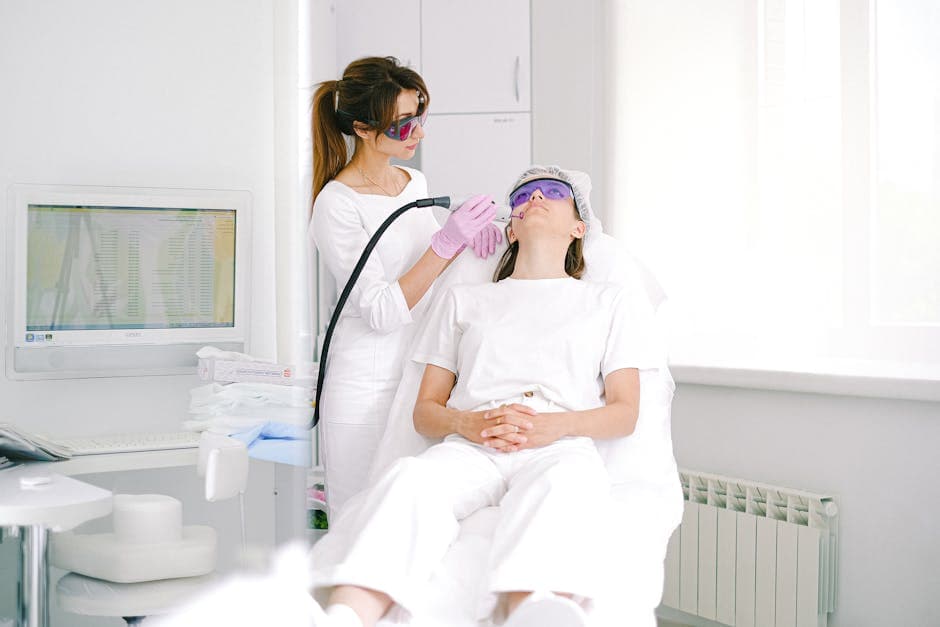
YAG laser capsulotomy is the definitive treatment. Using a Nd:YAG laser, Miss Khanam creates a small, precise opening in the opacified posterior capsule, allowing light to pass clearly through to the retina once again. The procedure is performed in the clinic, takes approximately five minutes, and requires only dilating drops — no anaesthetic injections, no incisions, and no operating theatre.
The results are typically immediate. Most patients notice significantly clearer vision within hours of the procedure, with full visual improvement within one to two days. The effect is permanent — once the capsule has been opened, PCO cannot recur in the treated area.
The procedure carries very low risk. The most common temporary side effect is an increase in floaters (small dark spots in the vision) for a few days as microscopic capsule fragments disperse within the eye. Rarely, the laser energy can cause a transient rise in eye pressure, which is monitored with a pressure check 30 to 60 minutes after the procedure. Retinal detachment is a theoretical risk but occurs in fewer than 1 in 1,000 cases.
There is no special preparation required beyond arranging transport home, as your pupils will be dilated for several hours. You can return to normal activities the following day, and most patients do not require any eye drops afterwards, though a short course of anti-inflammatory drops is sometimes prescribed.
If you have noticed your vision deteriorating since cataract surgery, do not assume it is untreatable. YAG laser capsulotomy is one of the most commonly performed and successful laser procedures in ophthalmology, with a satisfaction rate exceeding 95%.
YAG capsulotomy is available at K Vision Centre from £495 per eye. Book a consultation with Miss Tina Khanam at Harley Street, Spire Gatwick Park, or Spire St Anthony's to have your vision assessed.
Written by
Miss Tina Khanam
Consultant Ophthalmic Surgeon at K Vision Centre
Learn more about Miss Tina KhanamHave Questions About This Topic?
Book a consultation with Miss Tina Khanam to discuss your concerns and explore your options.
Speak With Miss KhanamRelated Articles
Continue exploring our expert insights on eye health

Overcoming Fears of Vision Correction Surgery
Learn about common fears related to vision correction surgery and how modern techniques ensure a safe and comfortable experience.

Laser Eye Surgery: A Game Changer for Contact Lens Wearers
For contact lens users, laser eye surgery offers lasting freedom and reduced risks. Learn about its transformative lifestyle benefits.
Laser Eye Surgery Kingston & London: Post‑Op Benefits
Considering laser eye surgery in Kingston or London? Learn the real post‑operative benefits—clearer vision, everyday convenience, and life without glasses or contacts—guided by our consultant-led team at K Vision Centre.