

How to Know You’re Ready for Vision Correction Surgery
Thinking about laser eye or lens surgery? This guide explains the clinical signs, life-stage factors, and mindset checks that signal you’re ready — plus what to expect at a K Vision Centre assessment with Miss Tina Khanam.
Considering vision correction surgery is exciting — and understandably nerve‑wracking. Many of our patients arrive torn between the promise of freedom from glasses and the fear of taking the next step. As a consultant‑led clinic with decades of experience in refractive and lens surgery, we’ve learned that readiness is part medical, part practical, and part emotional. This guide will help you reflect on all three so you can move forward with clarity and confidence.
Your readiness checklist at a glance
- You’re 18+ and your glasses/contact lens prescription has been stable for at least 12 months — a key marker that your eyes have stopped changing significantly .
- Your corneas and ocular surface are healthy, with adequate corneal thickness for laser options, or you’re suitable for alternative procedures such as PRK, SMILE, or ICL if not .
- You’re not pregnant or breastfeeding, and any dry eye or inflammatory conditions are stable under care — important for safe healing and accurate measurements .
- Your lifestyle goals align with what surgery can deliver (for example, driving without glasses, reducing contact lens dependence, or full‑range vision after 45) .
- You understand the benefits, risks, and recovery timeline, and you feel supported in managing normal pre‑surgery nerves .
Clinical suitability: what we check and why
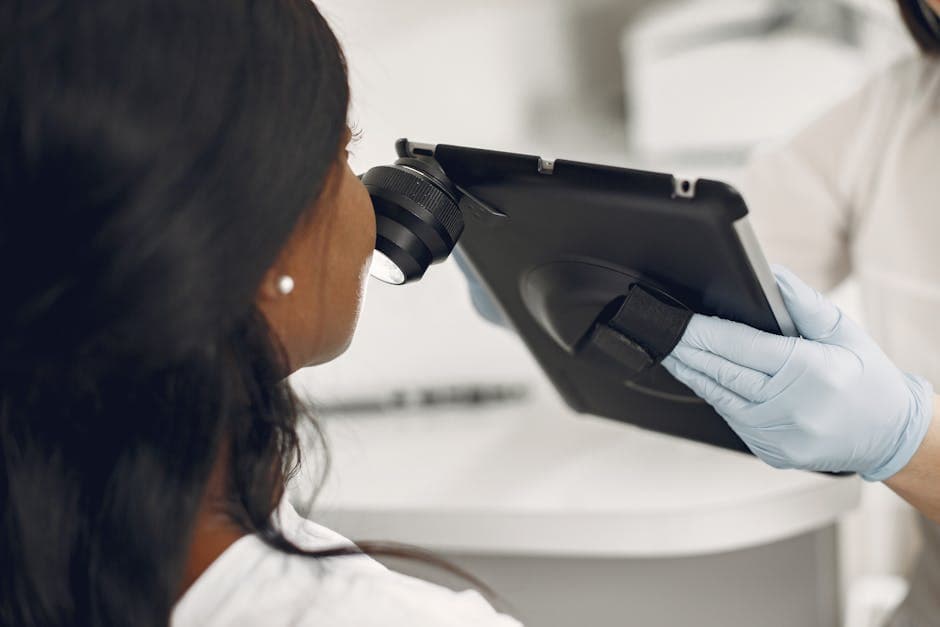
At your suitability assessment, Miss Tina Khanam performs a comprehensive, consultant‑led evaluation that typically takes 45–60 minutes. We map your corneal shape and thickness (topography/tomography), measure pupil size, assess your tear film, and analyse optical quality (wavefront aberrometry) to confirm which procedure will be safest and most effective for your eyes. This assessment is the foundation of a predictable, high‑quality outcome .
Some criteria are universal: adults 18+ with a stable prescription for a year or more, adequate corneal thickness for LASIK, and healthy ocular surfaces. When LASIK isn’t ideal — for example, thinner corneas, certain anatomy, or lifestyle factors — we consider PRK, SMILE, or ICL as alternatives. We postpone surgery during pregnancy or breastfeeding, and we treat active dry eye first to ensure accurate measurements and comfortable healing .
To keep measurements accurate, you’ll be asked to remove contact lenses before the assessment: typically at least 3 days for soft lenses and 2 weeks for rigid lenses. This allows the cornea to return to its natural shape for precise planning .
LASIK, PRK, SMILE, or ICL? Matching the procedure to you
- LASIK: Rapid visual recovery, suitable for many prescriptions (commonly up to about −10.00D myopia, +4.00D hyperopia, and 5.00D astigmatism), provided corneal thickness and shape meet safety thresholds .
- PRK/LASEK (surface laser): No flap; ideal when corneas are thinner or for certain active professions. Recovery is slower (days to weeks) but long‑term vision is comparable to LASIK .
- SMILE: Flap‑less, small incision approach that preserves more corneal structure; often favoured by patients in contact sports or those keen to minimise dry eye risk post‑op. Treats myopia up to −10.00D and astigmatism up to −5.00D .
- ICL (implantable collamer lens): Additive and reversible; excellent for higher prescriptions (up to about −18.00D myopia, +10.00D hyperopia, with astigmatism options) and for patients not suited to corneal laser procedures .
Do your goals and lifestyle align with surgery?
Driving without glasses
Most laser eye surgery patients meet the UK driving standard (approx. 6/12 or 20/40 in Snellen terms) within 24–72 hours, though we recommend waiting for your post‑operative check and for you to feel confident. PRK patients may need several days longer; cataract or lens replacement patients usually resume within one to two weeks. Night haloes are common in the first weeks and typically settle with time — it’s sensible to ease back into night driving once you feel comfortable .
Contact lens fatigue, discomfort, or cost
If contact lenses are irritating your eyes, causing dryness, or complicating travel and sport, that’s a strong sign to explore permanent correction. Contact lens wear carries health risks (microbial keratitis affects roughly 1 in 500 daily wearers and 1 in 100 overnight wearers per year), and lifetime costs often exceed a one‑time surgical solution. Many patients aged 21+ with stable prescriptions transition happily from contacts to surgery after assessment .
Over 45 and juggling multiple pairs of glasses?
From the mid‑40s, the eye’s natural lens loses flexibility (presbyopia). If you’re keen to reduce or eliminate dependence on readers or varifocals, modern lens replacement surgery with advanced trifocal or EDOF implants can restore a broad range of vision. Most patients describe a return to “visual freedom” after an initial adaptation period .
Emotional readiness: nervous is normal — support makes the difference
Feeling anxious about eye surgery is one of the most common concerns we hear. The reassuring truth is that modern procedures are quick and, with anaesthetic eye drops, essentially painless. Understanding what you will feel (usually only pressure and light) and meeting the surgeon who will care for you from consultation to follow‑up can transform apprehension into calm, informed confidence .
Risks, side effects, and setting realistic expectations
All surgery carries risk. With corneal laser procedures, temporary dry eye is common and managed with lubricants; glare or haloes are usually mild and improve with time. Rare risks include infection (around 1 in 5,000) and corneal ectasia; we minimise these through strict screening (including topography and pachymetry) and evidence‑based safety thresholds .
With cataract or lens replacement surgery, we also discuss posterior capsule opacification (a common, later‑on haze that’s easily treated with a quick YAG laser), transient dry eye, and rare complications such as infection or retinal detachment. Your personal risk profile and mitigation strategies are covered in detail at your consultation .
What to expect at a K Vision Centre assessment
Your consultation with Miss Khanam includes a meticulous ocular surface review (we prioritise a healthy tear film for accurate planning), corneal maps and thickness measurements, pupil assessment in different lighting, and wavefront analysis. Expect 45–60 minutes for testing and a thorough, unhurried discussion of results and options. Please remove soft lenses for at least 3 days and rigid lenses for at least 2 weeks beforehand so your corneas return to their natural shape for precise measurements .
After surgery, you’ll receive clear aftercare guidance and prompt follow‑up. Most LASIK and SMILE patients notice clear vision within 24–48 hours, while PRK patients improve steadily over days to weeks. Your driving, work, sport, and travel plans are tailored during follow‑up to your individual healing pattern .
Why choose K Vision Centre
Miss Tina Khanam, FRCOphth, MBBS, BSc(Hons), is a consultant ophthalmic surgeon specialising in laser eye, cataract, lens replacement and corneal surgery. She personally performs your consultation, surgery, and follow‑up across our London locations: 22A Harley Street, Spire Gatwick Park, and Spire St Anthony’s Hospital — offering continuity, clear communication, and accountability throughout your journey .
Take the next step
If this checklist resonates — your prescription is stable, your goals are clear, and you feel ready to explore your options — we’d be honoured to guide you. Book a personalised suitability assessment with Miss Khanam at K Vision Centre to confirm which procedure fits your eyes and your life. Consultations are available at Harley Street, Spire Gatwick Park, and Spire St Anthony’s, with transparent guidance and no pressure to proceed .
Written by
Miss Tina Khanam
Consultant Ophthalmic Surgeon at K Vision Centre
Learn more about Miss Tina KhanamHave Questions About This Topic?
Book a consultation with Miss Tina Khanam to discuss your concerns and explore your options.
Speak With Miss KhanamRelated Articles
Continue exploring our expert insights on eye health

The Emotional Toll of Living with Presbyopia (needing reading glasses)
Presbyopia can turn daily life into a constant struggle with reading glasses. Explore the frustrations and learn about alternatives for visual freedom.
Harley Street Cataract Consultation: What to Expect
If you’re coming to Harley Street for a cataract assessment, this guide explains every step with empathy and clarity. Learn about the tests we perform, lens choices, risks, and how we plan your care at K Vision Centre.

Laser Eye Surgery vs Lens Replacement: Find Your Best Option
Wondering whether laser eye surgery or lens replacement is right for you? This empathetic guide explains who each option suits, benefits and risks, and how our consultant-led assessment helps you decide.