
NHS vs Private Cataract Surgery: Understanding Your Options
Comparing NHS and private cataract surgery in the UK — waiting times, lens choices, surgeon continuity, and what private treatment offers that the NHS cannot.
If you have been diagnosed with cataracts, you may be weighing up whether to proceed through the NHS or seek private treatment. Both pathways deliver safe, effective cataract surgery — the UK has one of the best ophthalmic surgery safety records in the world. However, there are meaningful differences in waiting times, lens choices, surgeon continuity, and the overall patient experience that may influence your decision.
NHS waiting times for cataract surgery have increased significantly since the pandemic. The NHS constitution target is 18 weeks from referral to treatment, but many trusts currently have waiting lists of 6 to 12 months or longer. During this time, your cataracts may continue to progress, further affecting your daily activities, driving confidence, and quality of life. Private cataract surgery can typically be arranged within one to three weeks of your initial consultation.
The most significant clinical difference between NHS and private cataract surgery is lens choice. The NHS provides a standard monofocal intraocular lens that is set for either distance or near vision — not both. Most NHS patients choose a distance-focused lens, meaning reading glasses will still be needed after surgery. The NHS does not routinely offer multifocal, extended depth of focus (EDOF), or toric lenses.
Private cataract surgery gives you access to the full range of premium intraocular lens technology. Multifocal and EDOF lenses can provide clear vision at distance, intermediate, and near — dramatically reducing or eliminating dependence on glasses after surgery. Toric lenses correct pre-existing astigmatism at the time of surgery, something that standard NHS monofocal lenses cannot address.
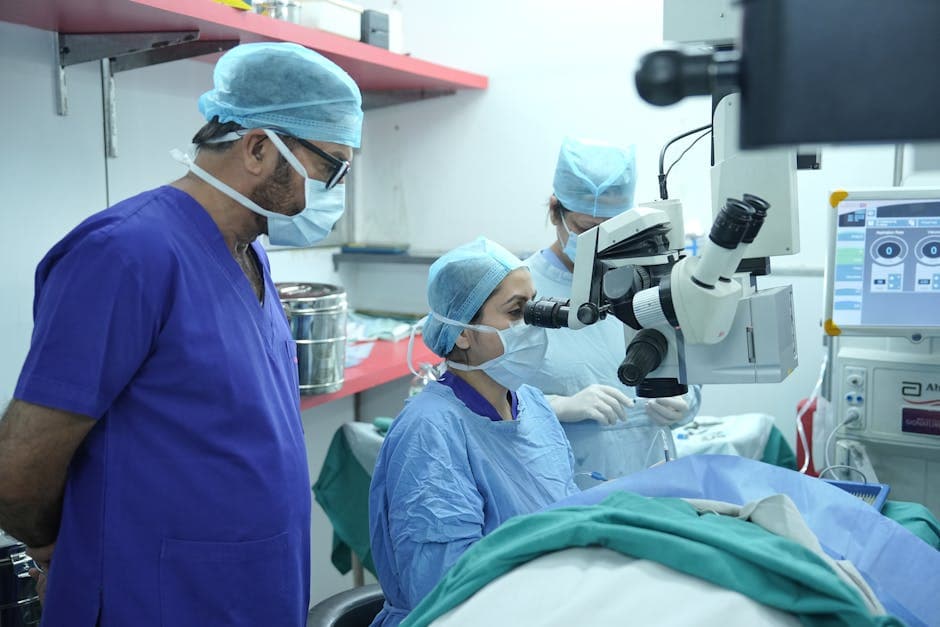
Consultant continuity is another important distinction. In NHS hospitals, your cataract surgery may be performed by a trainee surgeon or fellow under supervision, rather than the consultant who assessed you. While trainee surgeons are closely supervised and NHS outcomes are excellent, some patients prefer the reassurance of knowing that an experienced consultant surgeon will personally perform their procedure. At K Vision Centre, Miss Tina Khanam performs every operation herself.
The surgical environment also differs. Private hospitals such as Spire Gatwick Park and Spire St Anthony's offer dedicated ophthalmic theatres, individual pre- and post-operative rooms, free patient parking, and flexible scheduling including weekend appointments. NHS cataract surgery is typically delivered in high-volume theatre lists where efficiency is prioritised.
For patients with private medical insurance (Bupa, AXA, Aviva, WPA, Vitality, Cigna, Allianz), cataract surgery is usually covered under your policy — often including premium lens upgrades depending on your level of cover. K Vision Centre works directly with all major insurers to streamline the authorisation process.
Self-funding patients at K Vision Centre benefit from transparent, all-inclusive pricing: standard cataract surgery from £3,150 per eye, with premium lens upgrades from £500 per lens. Interest-free finance is available. All follow-up care is included.
Whether you choose NHS or private treatment, the most important factor is that your cataracts are treated before they significantly impact your safety and independence. If NHS waiting times are a concern or you want access to premium lens technology, a private consultation can help you understand your options. Call K Vision Centre on 07728 302092 to arrange an appointment.
Written by
Miss Tina Khanam
Consultant Ophthalmic Surgeon at K Vision Centre
Learn more about Miss Tina KhanamHave Questions About This Topic?
Book a consultation with Miss Tina Khanam to discuss your concerns and explore your options.
Speak With Miss KhanamRelated Articles
Continue exploring our expert insights on eye health

The Emotional Toll of Living with Presbyopia (needing reading glasses)
Presbyopia can turn daily life into a constant struggle with reading glasses. Explore the frustrations and learn about alternatives for visual freedom.
Harley Street Cataract Consultation: What to Expect
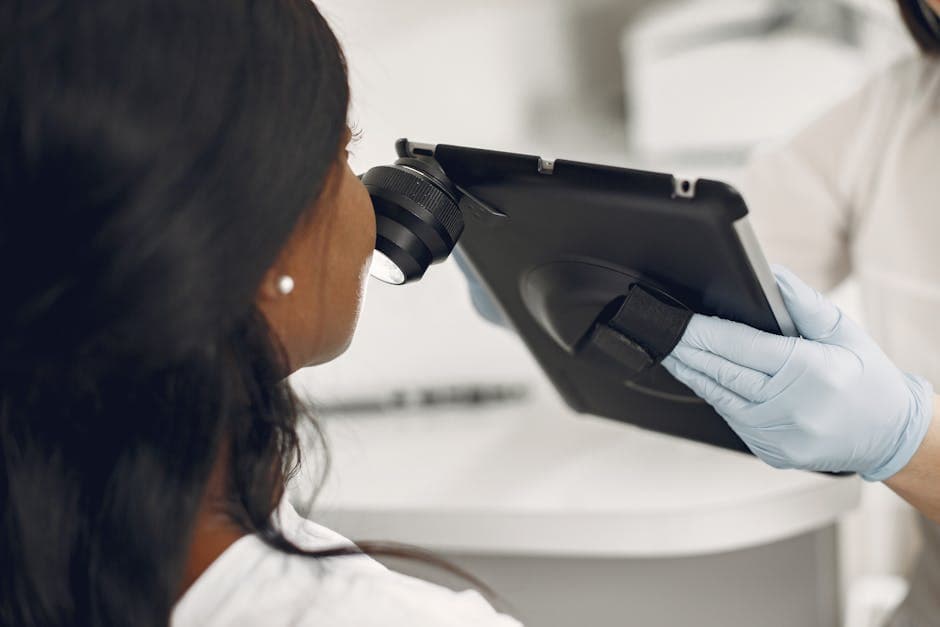
If you’re coming to Harley Street for a cataract assessment, this guide explains every step with empathy and clarity. Learn about the tests we perform, lens choices, risks, and how we plan your care at K Vision Centre.

Laser Eye Surgery vs Lens Replacement: Find Your Best Option
Wondering whether laser eye surgery or lens replacement is right for you? This empathetic guide explains who each option suits, benefits and risks, and how our consultant-led assessment helps you decide.