

Night Vision After Laser Eye Surgery: What to Expect
Concerned about night driving and halos after LASIK? Understand what happens to your night vision after laser eye surgery and how modern technology minimises side effects.
Night driving concerns are one of the most frequently raised topics during laser eye surgery consultations. Patients understandably want to know whether LASIK or PRK will affect their ability to drive safely after dark, and whether they will experience halos, starbursts, or glare around headlights and streetlights. The honest answer is that night vision experiences after laser eye surgery have improved dramatically with modern technology.
In the early days of laser eye surgery, when treatment zones were smaller and laser profiles less sophisticated, night vision disturbances were relatively common. The small optical zone of early lasers meant that in low light — when the pupil dilates beyond the treated area — patients could experience significant halos and glare. This gave rise to the persistent concern that laser eye surgery and night driving are inherently incompatible.
Modern wavefront-optimised and wavefront-guided laser platforms have largely addressed this issue. Today's excimer lasers create larger treatment zones with carefully blended transition areas, minimising the optical aberrations that cause night vision symptoms. Clinical studies show that the majority of modern LASIK patients report no significant change in night vision quality, and many actually report improved night vision compared to their pre-operative experience with glasses or contact lenses.
It is important to set realistic expectations. During the first one to four weeks after LASIK, some degree of haloing around lights at night is normal as the cornea heals and stabilises. These symptoms are typically mild and diminish progressively. By three months, the vast majority of patients report comfortable night driving. In clinical trials of modern LASIK platforms, fewer than 1% of patients report persistent night vision symptoms that affect their daily activities.
Several factors influence post-operative night vision. Pupil size matters — patients with very large pupils (above 7mm in scotopic conditions) may be more susceptible to night vision symptoms, though this is less significant with modern large-zone treatments. The degree of correction also plays a role, with higher prescriptions carrying slightly more risk of night vision disturbance. Your pre-operative assessment at K Vision Centre includes pupil size measurement in dim lighting to inform the treatment plan.
Miss Tina Khanam uses wavefront-optimised laser profiles that are specifically designed to maintain corneal asphericity — the natural shape that helps focus light across the full pupil diameter, including in low-light conditions. This attention to optical quality, combined with precise corneal flap creation using the femtosecond laser, maximises the chance of excellent night vision after LASIK.
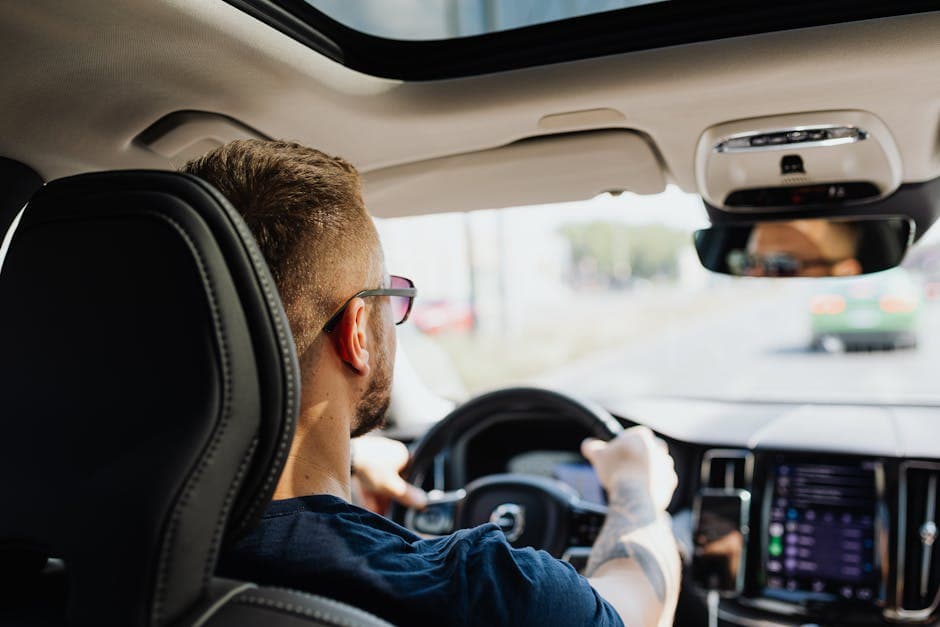
For patients whose primary concern is night driving, it is reassuring to know that the DVLA has no restriction on driving after successful LASIK surgery, provided you meet the standard visual acuity requirements. Most patients resume driving within two to seven days of surgery, once they are comfortable that their vision is clear and stable.
Imagine the freedom of driving at night without fogged-up glasses in winter, without the glare from rain-smeared spectacle lenses, or without the dryness and discomfort of contact lenses after a long day. For many patients, post-LASIK night driving is actually more comfortable than their pre-surgery experience with corrective lenses.
If night vision is a particular concern for you, discuss this with Miss Khanam during your consultation. She will assess your individual risk factors and explain what you can realistically expect based on your prescription, pupil size, and corneal measurements.
Written by
Miss Tina Khanam
Consultant Ophthalmic Surgeon at K Vision Centre
Learn more about Miss Tina KhanamHave Questions About This Topic?
Book a consultation with Miss Tina Khanam to discuss your concerns and explore your options.
Speak With Miss KhanamRelated Articles
Continue exploring our expert insights on eye health

The Psychology of Clear Vision: How Eye Surgery Boosts Confidence and Wellbeing
The impact of eye surgery goes far beyond visual acuity. Research shows it improves self-confidence, reduces anxiety, and enhances overall quality of life.

Eye Surgery and Your Career: How Better Vision Opens Professional Doors
From screen fatigue to safety requirements, vision correction surgery removes professional limitations. Explore how better vision can boost confidence, performance, and career options.
Driving Without Glasses: Meeting DVLA Standards After Eye Surgery
Removing the glasses restriction from your driving licence is one of the most satisfying outcomes of eye surgery. Understand the DVLA vision standards and when you can drive after treatment.