

Laser Eye Surgery vs Lens Replacement: Find Your Best Option
Wondering whether laser eye surgery or lens replacement is right for you? This empathetic guide explains who each option suits, benefits and risks, and how our consultant-led assessment helps you decide.
If you are weighing laser eye surgery against lens replacement, you are not alone. Many patients arrive excited by the promise of clearer vision yet unsure which route fits their age, prescription, and lifestyle. As a consultant-led practice, we have guided thousands of people through this decision — from the first questions to life after surgery — and our aim is to help you choose with clarity and confidence.
Laser eye surgery vs lens replacement at a glance
- Laser eye surgery (LASIK, PRK, SMILE) reshapes the cornea to correct myopia, hyperopia, and astigmatism. It suits many adults with stable prescriptions and healthy corneas, with rapid visual recovery — often within 24–72 hours for LASIK/SMILE, longer for PRK.
- Lens replacement (RLE/CLE) replaces the eye’s natural lens with a premium intraocular lens (IOL) to correct distance and near vision — especially helpful from the mid‑40s onward when presbyopia begins. It also eliminates future cataracts.
How each option works
Laser eye surgery
LASIK creates a thin corneal flap, reshapes the underlying tissue with an excimer laser, and allows fast recovery; PRK removes the surface epithelium before reshaping, so healing takes longer; SMILE is a flapless, keyhole approach that preserves more corneal nerves. Long‑term vision is excellent across all three when patients are carefully selected.
SMILE’s minimally invasive design is associated with fewer dry eye symptoms at three months compared with LASIK in comparative studies, which some patients value — particularly those with contact lens–related dryness or in contact sports.
Lens replacement surgery
Refractive lens exchange (also called clear lens exchange) removes your natural crystalline lens and inserts a premium IOL tuned to your visual goals. Multifocal and extended depth of focus (EDOF) lenses can provide a continuous range of vision from distance to near, and toric designs correct astigmatism at the same time. A key advantage is that you will never develop cataracts in the future.
In published outcomes, around 85–90% of patients with multifocal IOLs achieve spectacle independence for most daily tasks, noting that some experience halos or glare during the early neuroadaptation period as the brain adjusts.
Who is typically a good candidate?
Under 40: prioritise corneal options
If you are 18+ with a stable prescription and healthy corneas, laser eye surgery is often the first‑line option. LASIK and SMILE commonly treat myopia up to around −10.00D, while PRK suits thinner corneas or certain occupations; for very high prescriptions, the EVO ICL (implantable collamer lens) is a reversible, non‑corneal alternative up to about −18.00D.
Mid‑40s to early 50s: address presbyopia as well as distance
From the mid‑40s, the natural lens stiffens, making near tasks harder (presbyopia). Standard laser eye surgery can sharpen distance vision but will not restore near focus, so you may still need reading glasses. Options include Presbyond laser blended vision or lens replacement with a multifocal/EDOF IOL, depending on your goals and ocular findings.
50s and beyond: long‑term clarity and cataract prevention
For many in their 50s and 60s, lens replacement offers a permanent, stable correction for both distance and near, while removing the need for future cataract surgery. Recovery is typically functional within 24–48 hours with stabilisation over several weeks.
Other factors we assess
- Corneal thickness and shape — determines suitability for LASIK vs PRK vs SMILE.
- Dry eye and tear film quality — we optimise the ocular surface first to improve comfort and measurement accuracy.
- Prescription stability and pupil size — key to safe planning and night‑vision quality.
- Lifestyle priorities — night driving, screen work, sport, or a desire for complete glasses freedom all influence the choice.
Benefits and risks — an honest view
Laser eye surgery
Benefits: fast recovery (often back to work within 24–72 hours for LASIK/SMILE), excellent visual outcomes, and freedom from daily lens care. SMILE may reduce the risk of dry eye for some.
Risks/side effects: temporary dry eye is common (approximately 20–30% in the first few months), and some patients notice night‑time halos or glare that usually settle. Serious complications such as infection, significant over/under‑correction, or corneal ectasia are rare when patients are carefully selected and surgery is performed by an experienced surgeon.
Lens replacement surgery
Benefits: permanent correction of distance and near vision with modern IOLs, high rates of spectacle independence, and no future cataracts.
Considerations: some patients experience halos or glare with multifocal optics during the adaptation phase; a small proportion may prefer low‑power readers for fine print with EDOF lenses. Over time, the capsule holding the IOL can become cloudy (posterior capsule opacification), which is typically resolved with a quick outpatient YAG laser procedure that has high satisfaction rates.
Recovery timelines: what to expect
- Laser eye surgery: most LASIK/SMILE patients meet driving standards within 24–72 hours; PRK recovery is slower (days to weeks) but long‑term vision is comparable. Night halos can appear early on and usually fade.
- Lens replacement: functional vision often returns within 24–48 hours, with stabilisation over 4–6 weeks as the IOL settles and your brain adapts.
Your assessment at K Vision Centre
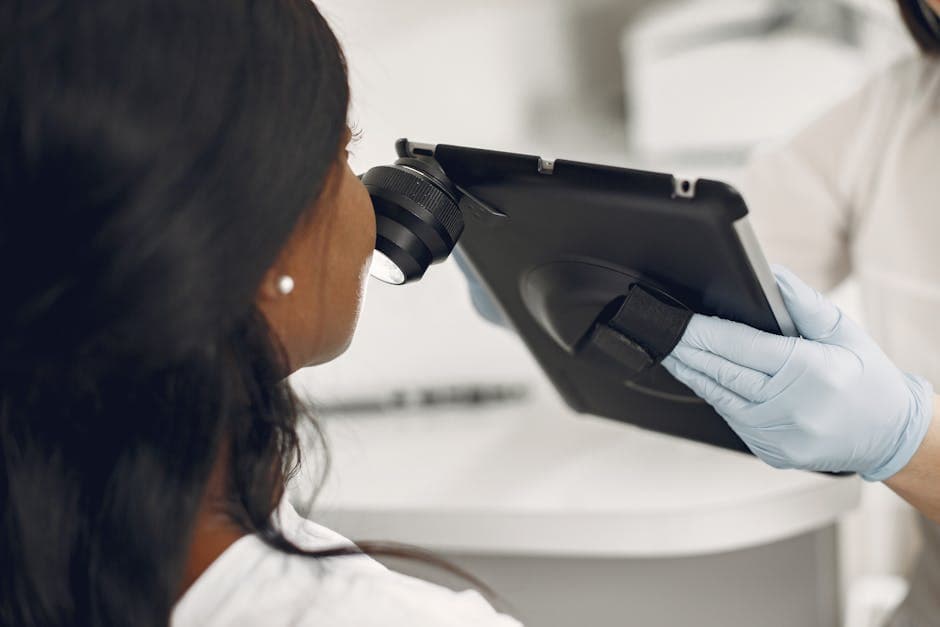
Choosing well starts with a meticulous, consultant-led evaluation. During your 45–60 minute assessment, Miss Tina Khanam FRCOphth performs advanced diagnostics including corneal topography/tomography, pachymetry (thickness), pupil analysis, tear film assessment, and wavefront aberrometry to determine not just whether you are suitable — but which procedure will be safest and most effective for your eyes.
We will also discuss your work, hobbies, and night‑driving needs, and simulate options such as blended vision where appropriate. This personalised approach guides choices like LASIK vs PRK vs SMILE, or whether multifocal vs EDOF IOLs best fit your priorities.
Making the decision: scenarios we often see
- Active 30‑something with stable myopia: LASIK or SMILE offers rapid recovery and spectacle freedom; SMILE may be favoured for contact sports or to minimise dry eye risk.
- Mid‑40s professional juggling readers: Presbyond can reduce reliance on glasses; if you want full‑range vision and to avoid future cataracts, lens replacement is often the more comprehensive solution.
- Very high prescription or thinner corneas: If laser parameters fall outside safety thresholds, the EVO ICL or lens replacement may be considered.
If you are ready to explore your options, book a consultation at K Vision Centre in Harley Street, Spire St Anthony’s (Worcester Park), or Spire Gatwick. Miss Khanam will provide clear, evidence‑based guidance and a calm, supportive experience from first visit to final follow‑up.
Written by
Miss Tina Khanam
Consultant Ophthalmic Surgeon at K Vision Centre
Learn more about Miss Tina KhanamHave Questions About This Topic?
Book a consultation with Miss Tina Khanam to discuss your concerns and explore your options.
Speak With Miss KhanamRelated Articles
Continue exploring our expert insights on eye health

The Emotional Toll of Living with Presbyopia (needing reading glasses)
Presbyopia can turn daily life into a constant struggle with reading glasses. Explore the frustrations and learn about alternatives for visual freedom.
Harley Street Cataract Consultation: What to Expect
If you’re coming to Harley Street for a cataract assessment, this guide explains every step with empathy and clarity. Learn about the tests we perform, lens choices, risks, and how we plan your care at K Vision Centre.

How to Find the Right Eye Surgeon on Harley Street
Choosing an eye surgeon can feel daunting—especially on Harley Street, where options abound. This empathetic guide explains the qualifications, questions, risks, and aftercare to consider, and how K Vision Centre supports you at every step.